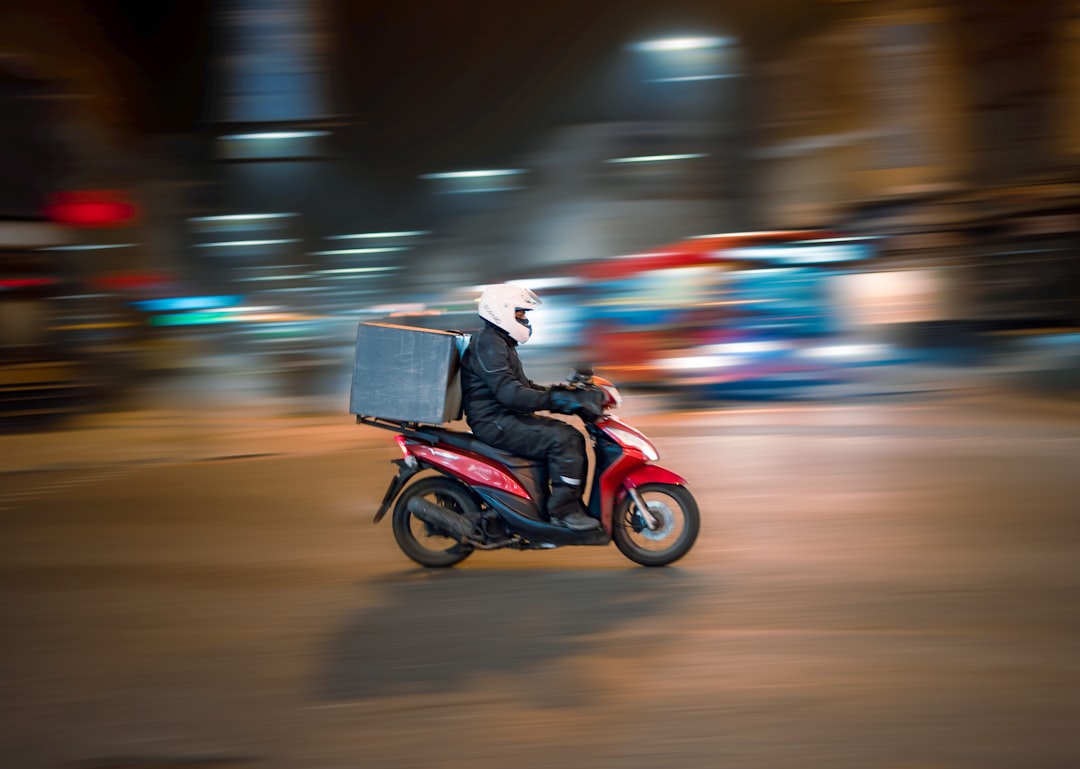
Ordering food for one does not have to mean paying for a family-sized bundle or settling for an oversized meal. This guide shows how to compare individual entrées, combos, small plates, meal kits, leftovers, and pickup portions by total cost, usable servings, customization, and storage potential—so you can order the right amount for one meal or plan sensible leftovers.
Overview
The best food delivery for one is not always the smallest item on the restaurant menu. A single entrée may be ideal when you want dinner immediately, while a combo, two small plates, or a larger dish may offer better value if it produces a second meal you will actually eat. The useful comparison is the cost of each usable meal, not simply the price printed beside the menu item.
Start by deciding which outcome you want:
- One meal: Choose a portion that matches your appetite and avoids unnecessary extras.
- One meal plus leftovers: Select food that travels well, stores safely according to the restaurant’s instructions, and reheats without losing its appeal.
- Several meals: Compare a larger entrée, meal kit, or family-style item with ordering separate dishes across multiple days.
- Convenience above all: Accept a higher per-meal cost if customization, speed, or minimal cleanup matters most.
When searching for takeout near me or restaurant menus online, check the serving language carefully. Terms such as “single,” “individual,” “lunch,” “small,” and “combo” are not standardized across restaurants. A small pizza may be one meal for a hungry diner or two meals for someone with a lighter appetite. Treat menu labels as clues, then use ingredients, sides, container size, and your own eating pattern to make the final judgment.
How to estimate the real value of an order
Use a simple two-part calculation:
Total order cost = food price + delivery fee + service fees + taxes + tip − discounts
Then estimate:
Cost per usable meal = total order cost ÷ number of meals you expect to eat
“Usable meal” means a portion you genuinely plan to eat, not food that might remain in the container. If you order a large entrée and expect to eat half tonight and half tomorrow, count two meals only if you have a realistic storage and reheating plan. If you dislike leftovers or will be traveling the next morning, count it as one meal.
For a pickup order, remove delivery and delivery-related fees from the calculation. For an app order, compare the final checkout total rather than the menu subtotal. A discount can lower the cost of a larger order, but a minimum-order requirement may also encourage spending beyond what you need. Check whether a promotion applies to the food subtotal, excludes certain items, or changes the available delivery options before treating it as savings.
A practical decision rule is to compare three versions of the same order:
- Your smallest complete meal.
- The same meal with a side, drink, or dessert.
- A larger entrée or bundle that could create leftovers.
Choose the option with the lowest cost per meal that still fits your appetite, schedule, storage space, and preferences.
Inputs and assumptions
Before you order food for one person, record the inputs that most affect the result.
| Order type | Likely use | Customization | Minimum-order risk | Leftover potential |
|---|---|---|---|---|
| Individual entrée | One immediate meal | Usually moderate to high | Usually low, but depends on the restaurant | Low to moderate |
| Combo meal | One filling meal with sides or a drink | Often limited to listed choices | Usually low | Low to moderate |
| Small plates | Flexible meal assembled from several items | High when ordering à la carte | Can be high if multiple items are needed | Moderate |
| Meal kit or prepared multi-serving dish | Several planned meals | Depends on the menu | More likely | High when storage is available |
| Pickup-sized portion | One meal at a potentially lower total cost | Varies by restaurant | Usually low | Low to moderate |
Next, make four assumptions explicit. First, estimate your appetite: light, average, or hearty. Second, decide how long the food must remain enjoyable; crisp foods, fried items, delicate seafood, and dishes with separate sauces may be less satisfying after reheating. Third, note your equipment. A microwave, oven, air fryer, or stovetop can change which leftovers are practical. Finally, consider the ordering channel. Restaurant delivery may have different fees, minimums, menu availability, and customization options from direct ordering or pickup.
For dietary restrictions or allergies, do not assume that a menu filter answers every question. Contact the restaurant when ingredients, cross-contact, or preparation details matter. Our food delivery allergy ordering guide offers a separate checklist for asking useful questions.
Worked examples
Example 1: One immediate dinner
Suppose you are ordering a rice bowl with a protein and vegetables. You want one satisfying dinner, do not need a drink, and have no interest in leftovers. Compare the individual bowl with a combo that adds a side and beverage. Even if the combo appears to offer more food, count only the items you will use. If the side and drink would otherwise go to waste, the individual bowl may be the better value despite a higher cost per ounce.
Use this formula with your checkout total:
Individual bowl cost per meal = final individual-bowl total ÷ 1
Combo cost per meal = final combo total ÷ 1
Because both options produce one planned meal, the lower final total usually wins unless the additional items are important to you.
Example 2: Dinner plus tomorrow’s lunch
Imagine choosing between one entrée and a larger dish that appears to contain two practical portions. The larger option is worthwhile only if its final total is less than, or reasonably close to, buying two separate meals and if the food can be stored and reheated well. If the larger dish costs 1.6 times the individual entrée and produces two satisfying meals, its food cost per meal is 0.8 times the individual option before fees. However, if delivery fees are charged once per order, the overall comparison may be even more favorable. If the restaurant applies a minimum order or the second portion is too small, recalculate using the portions you actually expect to eat.
Example 3: Small plates instead of a large entrée
Small plates can work well when you want variety or need to control portion size. Build the order around one substantial item, then add one smaller item only if it serves a clear purpose. Ordering several small plates simply because each item looks inexpensive can produce a higher total and more leftovers than one entrée. Compare the combined checkout total with the price of an individual meal, and count the small plates as separate meals only when each is substantial enough to replace one.
For cuisine-specific choices, examine how well the food travels. A sushi delivery guide can help you compare rolls, sashimi, and sides, while a pizza order may be easier to portion across meals if toppings and storage suit your routine.
When to recalculate
Recalculate your food delivery for one decision whenever a major input changes. Restaurant prices, portion sizes, delivery zones, fees, minimums, packaging, and promotional rules can change. A discount may expire, a restaurant may introduce an individual lunch menu, or pickup may become more practical than delivery for a recurring order.
Review your calculation at least when:
- You switch between delivery, pickup, and direct restaurant ordering.
- You begin ordering the same meal weekly or more often.
- Your appetite, schedule, household, or access to reheating equipment changes.
- You notice repeated waste, unsatisfying portions, or unused sides and drinks.
- You are comparing a delivery membership or recurring promotion with ordinary checkout costs.
Keep a short record for three orders: final total, what you ate, what remained, and whether the leftovers were enjoyable. Then adjust your default order. You might remove a side, choose a half portion, add a protein to a smaller base, or move a reliable two-meal dish into your weekly rotation. For a broader planning system, see our weekly meal planning with food delivery guide.
The most reliable way to order food for one is to decide the number of meals first, calculate from the final checkout total, and treat leftovers as valuable only when you have a concrete plan for them. Before placing your next order, check the portion, fees, storage, reheating, and expected waste in that order. This quick review usually leads to a more satisfying meal and a clearer reason to choose delivery, pickup, or a different restaurant menu.