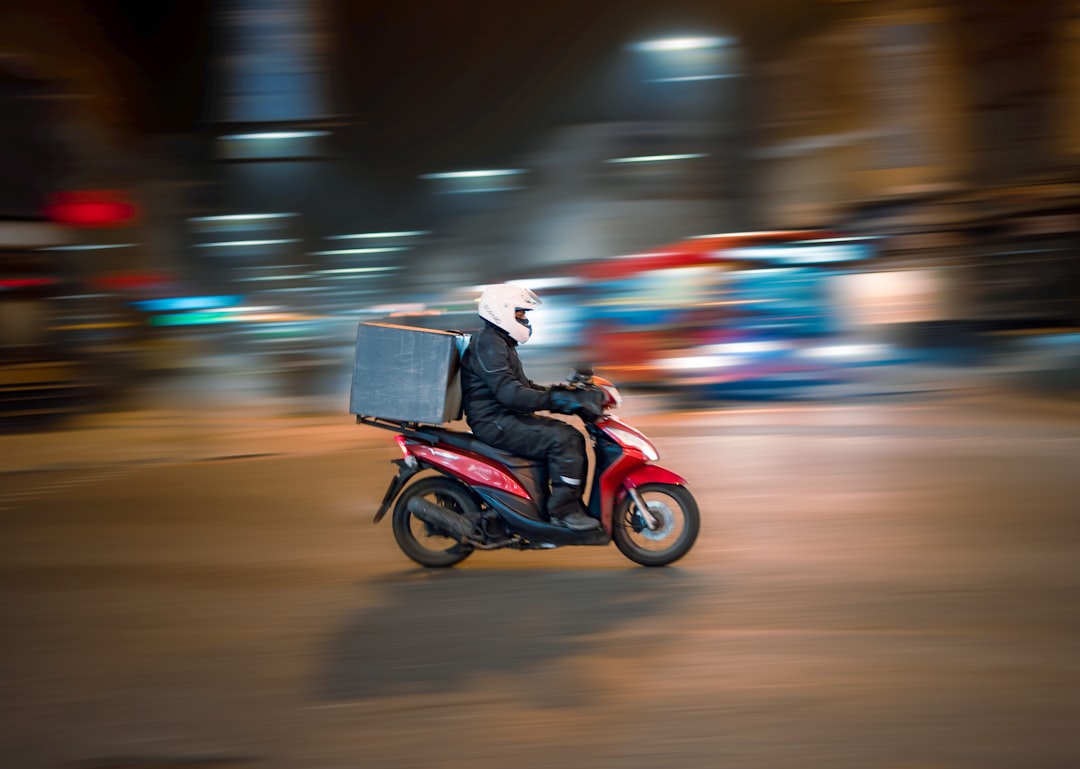
Ordering restaurant catering for delivery is easier when you settle the practical details before choosing dishes. This reusable checklist covers head counts, meal formats, dietary needs, delivery timing, setup, fees, and backup plans for office lunches, meetings, parties, school functions, and recurring team meals.
Overview
Restaurant catering delivery sits between a regular takeout order and a fully staffed event. The food may arrive in trays, individual boxes, family-style containers, or a combination of formats, but the organizer is usually responsible for confirming quantities, receiving the order, arranging the food, and communicating changes.
Start by defining five basics:
- Purpose: Is this an office lunch, client meeting, birthday gathering, school event, or casual party?
- Head count: How many people are expected, and how many have confirmed?
- Service style: Will guests receive individual meals, serve themselves from shared trays, or eat a buffet?
- Schedule: When must the food arrive, and when will people actually eat?
- Constraints: What dietary, venue, access, setup, and budget considerations affect the order?
Then compare restaurants using more than the menu. Review the catering menu, order minimums, delivery area, lead time, packaging, reheating instructions, cancellation terms, and the final checkout total. A restaurant that looks convenient for a small takeout order may not be equipped for a large delivery at a precise time.
For larger or time-sensitive meals, scheduled ordering is usually more practical than waiting for immediate availability. See our scheduled food delivery guide for a separate checklist on placing orders ahead of time.
Checklist by scenario
Office lunch or team meeting
- Confirm the meeting time, eating location, and a realistic delivery window.
- Use a head-count deadline so late replies do not repeatedly change the order.
- Choose individually labeled boxed lunches when people have different preferences or must return to work quickly.
- Choose shared trays when the group is comfortable serving itself and the venue has enough table space.
- Ask whether utensils, napkins, serving tools, plates, drinks, and condiments are included or must be added.
- Assign one person to receive the order and check it against the receipt.
For recurring team meals, record which formats worked, how much food remained, and which dietary requests were easy or difficult to accommodate. Our guide to work lunch delivery options can help structure that repeatable process.
Party or family gathering
- Separate adult portions, children’s portions, snacks, desserts, and beverages in your planning notes.
- Select dishes that travel well and remain appealing if serving begins later than planned.
- Ask how trays are packaged and whether hot food needs an oven, warming equipment, or immediate serving.
- Plan a clearly labeled area for vegetarian, vegan, gluten-free, halal, kosher, or allergy-sensitive items where relevant.
- Include serving utensils and containers for leftovers if the venue does not provide them.
- Build in time to arrange the food before guests arrive.
Client meeting, presentation, or formal event
- Confirm whether the venue permits outside restaurant catering and where drivers may unload.
- Favor neat, easy-to-serve formats that minimize spills and interruptions.
- Use labels that identify dishes and major dietary characteristics without making unsupported allergy assurances.
- Order beverages and desserts separately if they need different storage or serving arrangements.
- Provide a named on-site contact and a backup phone number.
- Schedule arrival early enough to inspect the order before the event begins.
School, community, or large group function
- Confirm permission, payment procedures, pickup or delivery access, and any restrictions on allergens.
- Ask whether the restaurant can divide the order into classrooms, tables, teams, or other groups.
- Use a written roster when each person receives a different meal.
- Plan for extra napkins, utensils, water, and clearly marked waste bins.
- Confirm an adult receiver who can count packages and resolve missing items.
Recurring or last-minute order
For a recurring meal, create a standing checklist rather than assuming every order will follow the same rules. Verify the menu, lead time, delivery zone, and ordering channel each time you place a new large order. For a last-minute request, call the restaurant directly or use its catering ordering path instead of assuming a standard delivery app can support the quantity and timing.
Compare the right catering format
| Format | Works well for | Advantages | Watch for |
|---|---|---|---|
| Individual meals | Meetings, mixed preferences, controlled portions | Easy distribution and labeling | More packaging and a longer item-by-item check |
| Boxed lunches | Office meals, training days, travel, quick breaks | Portable and simple to hand out | Confirm every box has the correct name or meal |
| Shared trays | Casual lunches and family gatherings | Flexible serving and fewer individual packages | Requires table space and serving utensils |
| Buffet-style catering | Parties and events with a shared meal period | Guests can choose portions and dishes | Needs setup space, labels, and a plan for temperature management |
| Drop-off catering | Events where the host handles setup | Often simpler than staffed service | Confirm exactly what the restaurant does not provide |
These formats are not interchangeable. Individual meals reduce serving decisions but make substitutions and order checking more detailed. Trays can be economical in labor and packaging, but they require a suitable serving area. Drop-off catering may be convenient, yet the organizer must understand whether the delivery includes setup, equipment, or only handoff.
What to double-check before you order
Quantity and menu balance
Ask the restaurant how its portions are intended to work, then plan by eating occasion rather than relying only on a generic per-person estimate. A lunch with several sides may need a different mix from a buffet where one main dish is the focus. Include a modest cushion when attendance is uncertain, but avoid automatically ordering large amounts of every item.
Dietary requests and allergies
Collect dietary information in a consistent format: guest name, restriction, requested dish, and whether cross-contact is a concern. Contact the restaurant with specific questions instead of relying only on menu labels. Ask how the request will be identified, packaged, and communicated at delivery. For more detail, use our food delivery allergy-ordering guide.
Timing and handoff
Confirm the requested arrival window, not just the eating time. Give the restaurant the complete address, floor, suite, entrance, parking or loading instructions, and a contact who will answer the phone. For apartments, hotels, dorms, or offices with controlled access, the address and handoff checklist covers details that are easy to overlook.
Costs and payment
Review menu prices, delivery charges, service fees, taxes, gratuity, minimums, setup charges, and any deposit before submitting payment. If you are comparing restaurants, compare the final delivered total rather than the menu subtotal. The food delivery fee calculator can help organize those line items. Apply a coupon only after checking its eligibility, since a promotion may not apply to catering, scheduled orders, or large minimums.
Packaging and setup
Ask whether food arrives in disposable containers, reusable equipment, insulated carriers, or serving trays that require return. Confirm whether dishes are ready to eat, need reheating, or should be transferred to serving platters. Assign setup responsibilities before delivery day.
Common mistakes
- Ordering by head count alone: A number without a menu plan does not account for sides, children, dietary meals, or different appetites.
- Leaving dietary requests until checkout: Restaurants may need time to answer questions or prepare separate packaging.
- Using the wrong ordering channel: A standard restaurant delivery flow may not support large quantities, special labels, or event timing.
- Confusing arrival with serving time: Food still needs to be checked, arranged, and sometimes reheated.
- Ignoring the receiving plan: A driver needs an accessible entrance and a reachable contact, not merely a street address.
- Assuming the order includes setup: Confirm whether the restaurant delivers only, drops food at a designated area, or provides additional event support.
- Skipping a backup plan: Keep the restaurant’s phone number, receipt, order details, and a practical alternative meal option available.
When to revisit this checklist
Review the checklist before every large or important order, even when you have used the same restaurant before. Recheck it before seasonal planning cycles, holiday periods, school terms, office events, and recurring team-lunch schedules. Restaurants may change catering menus, lead times, delivery areas, minimum orders, packaging, ordering systems, or cancellation rules.
Revisit the plan whenever the venue changes, attendance shifts materially, a new dietary requirement appears, or the event moves from a casual meal to a time-sensitive program. If you are comparing delivery services, review current coverage and fees rather than assuming an old app arrangement still applies; our delivery app comparison guide provides a framework for that review.
Before submitting the order, save the final menu, guest list, delivery instructions, contact details, and confirmation number in one place. On delivery day, check the number of packages, labels, major menu items, and special meals before the driver leaves. That short inspection is the final step that turns a carefully planned restaurant catering delivery into a dependable meal for the group.